
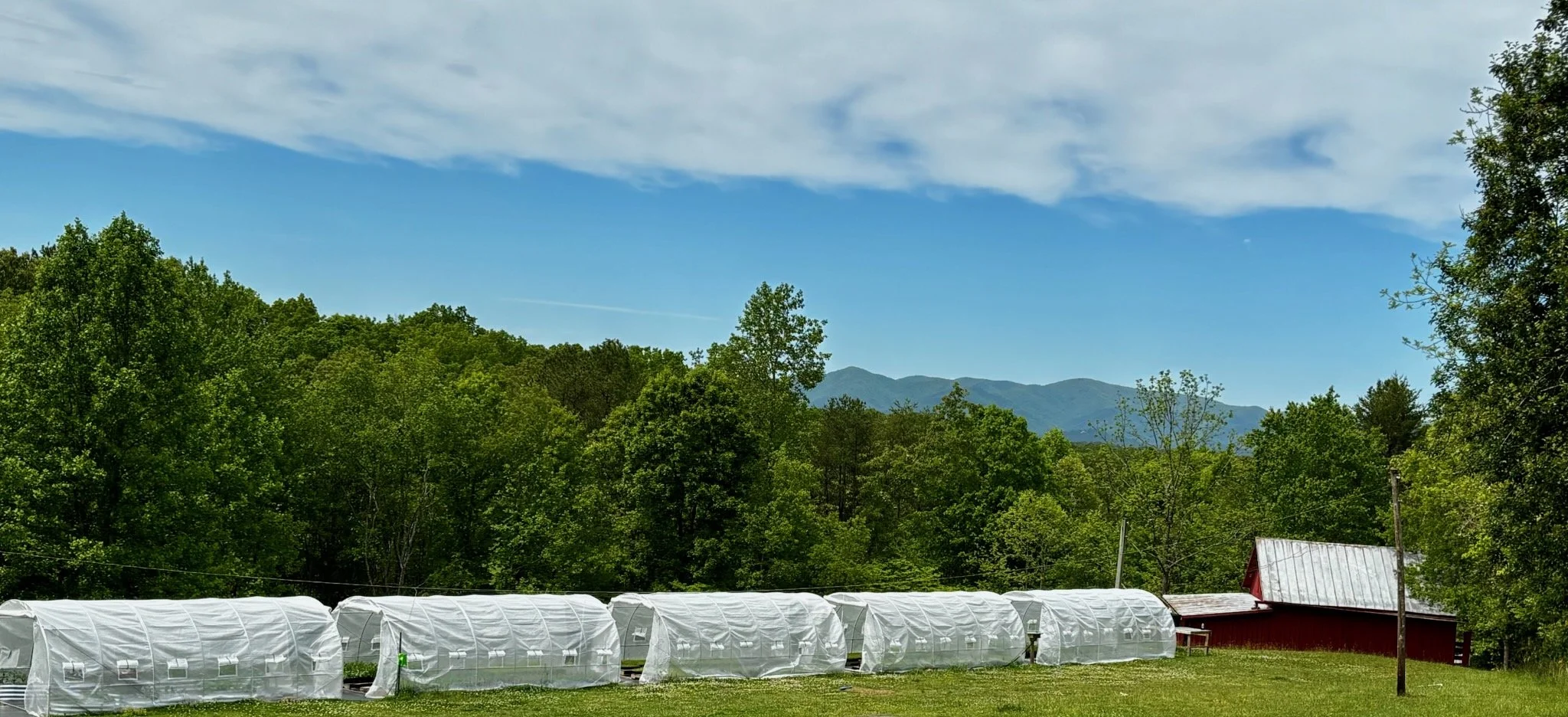
Cultivating Your Landscape
From landscaping, mulching, hydroseeding, and growing native plants, we provide reliable services designed to keep your land healthy and looking its best!
Featured Native Plants
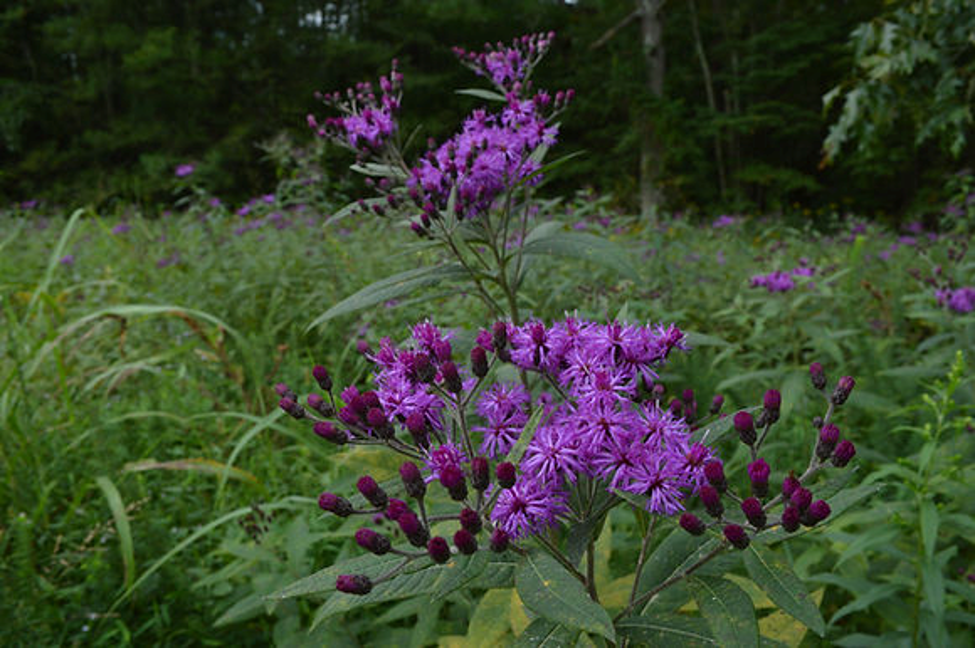
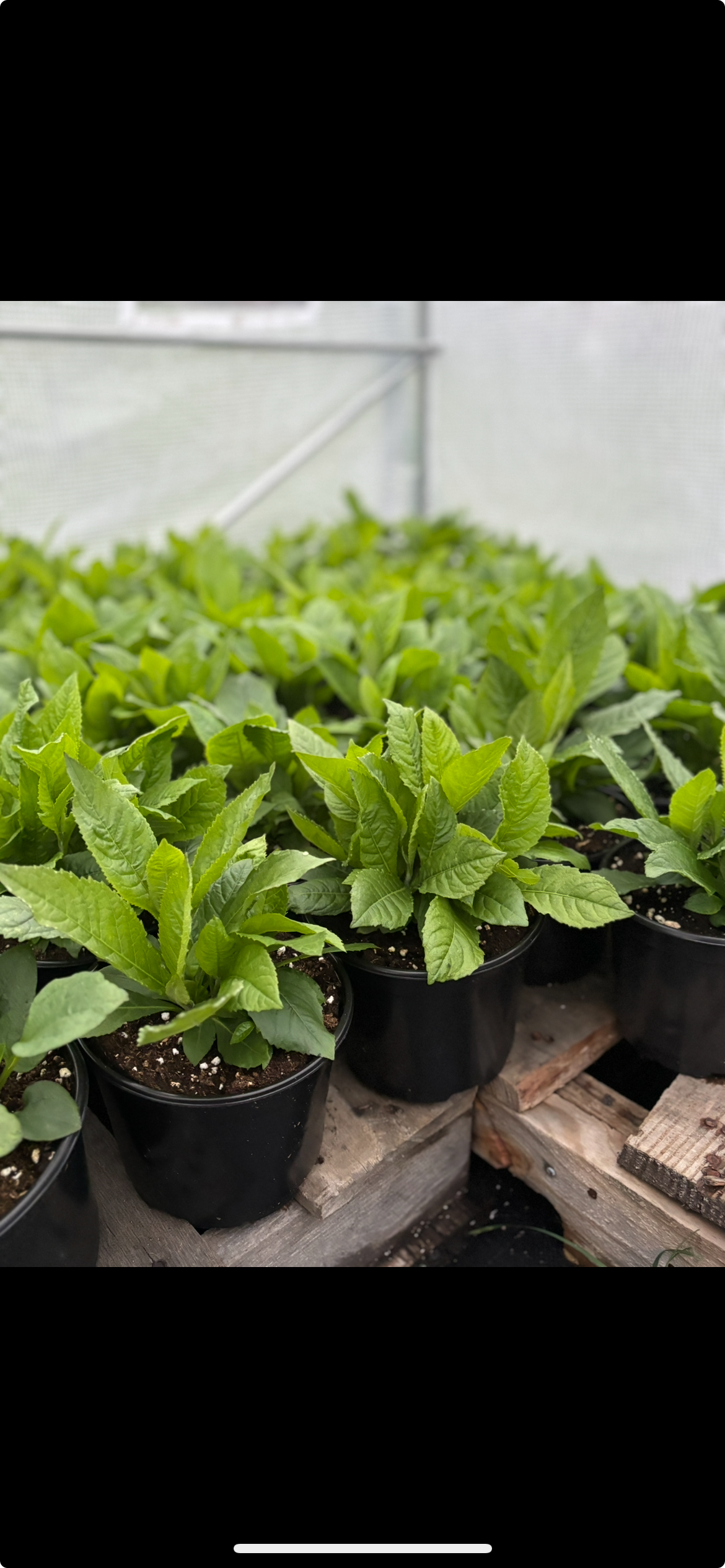
Iron Weed is a 5' to 8' tall native perennial that grows best in moist soils and full sun but will persist in partial shade. This summer and fall flowering plant features large showy 12" wide heads of small brilliant purple flowers. Ironweed is consistently used in wildflower meadows, conservation plantings, and wildlife habitat mixes. Butterflies, bees, and other pollinators are strongly attracted to Iron Weed. All plants come in 1.5 quart pots.
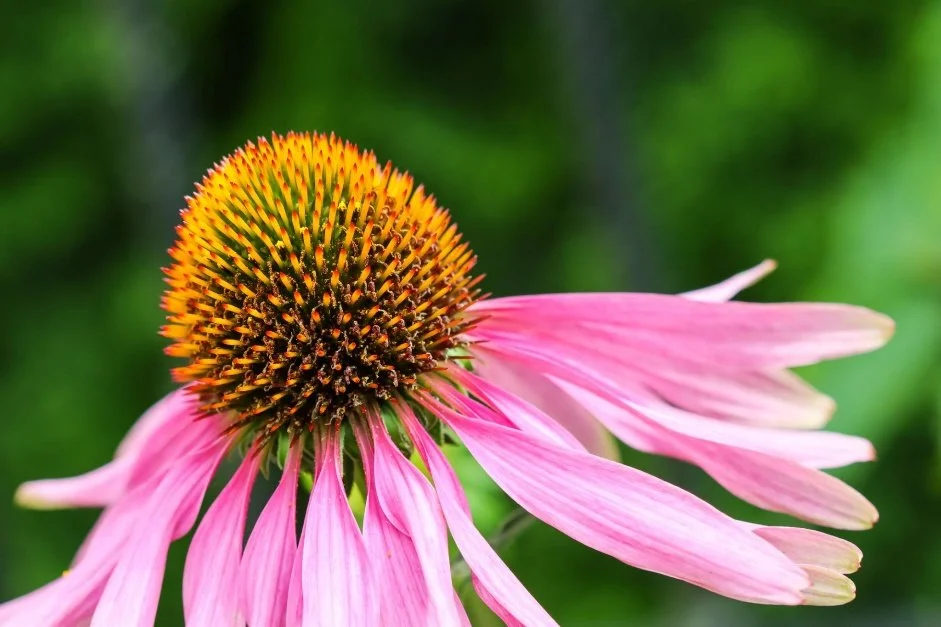
Purple Coneflower is a perennial wildflower native to eastern and central North America. It is known for its large, daisy-like flowers with purple-pink petals surrounding a prominent spiky orange-brown center cone. All plants come in 1.5 quart pots.
Key facts:
Scientific name:Echinacea purpurea
Family: Asteraceae (daisy family)
Height: Typically 2–5 feet (0.6–1.5 m)
Bloom time: Summer through early fall
Habitat: Prairies, open woodlands, and meadows
Growing conditions: Prefers full sun and well-drained soil; tolerant of drought once established
Ecological importance:
Attracts pollinators such as bees and butterflies.
Provides seeds that birds, especially American Goldfinch, eat in autumn and winter.
Supports biodiversity in native plant gardens.
Human uses:
Widely grown as an ornamental garden plant.
Some herbal products use echinacea extracts, though scientific evidence for health benefits varies depending on the use and preparation.
Summary:
Purple coneflower is a hardy native perennial valued for its showy flowers, ability to attract pollinators, and adaptability to a variety of garden conditions. It is one of the most popular native wildflowers in North American landscaping.
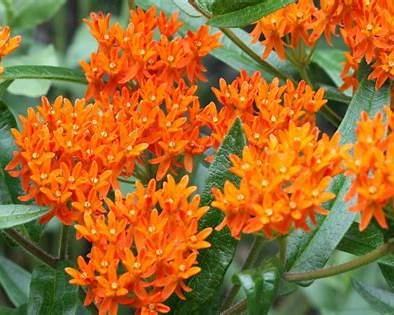
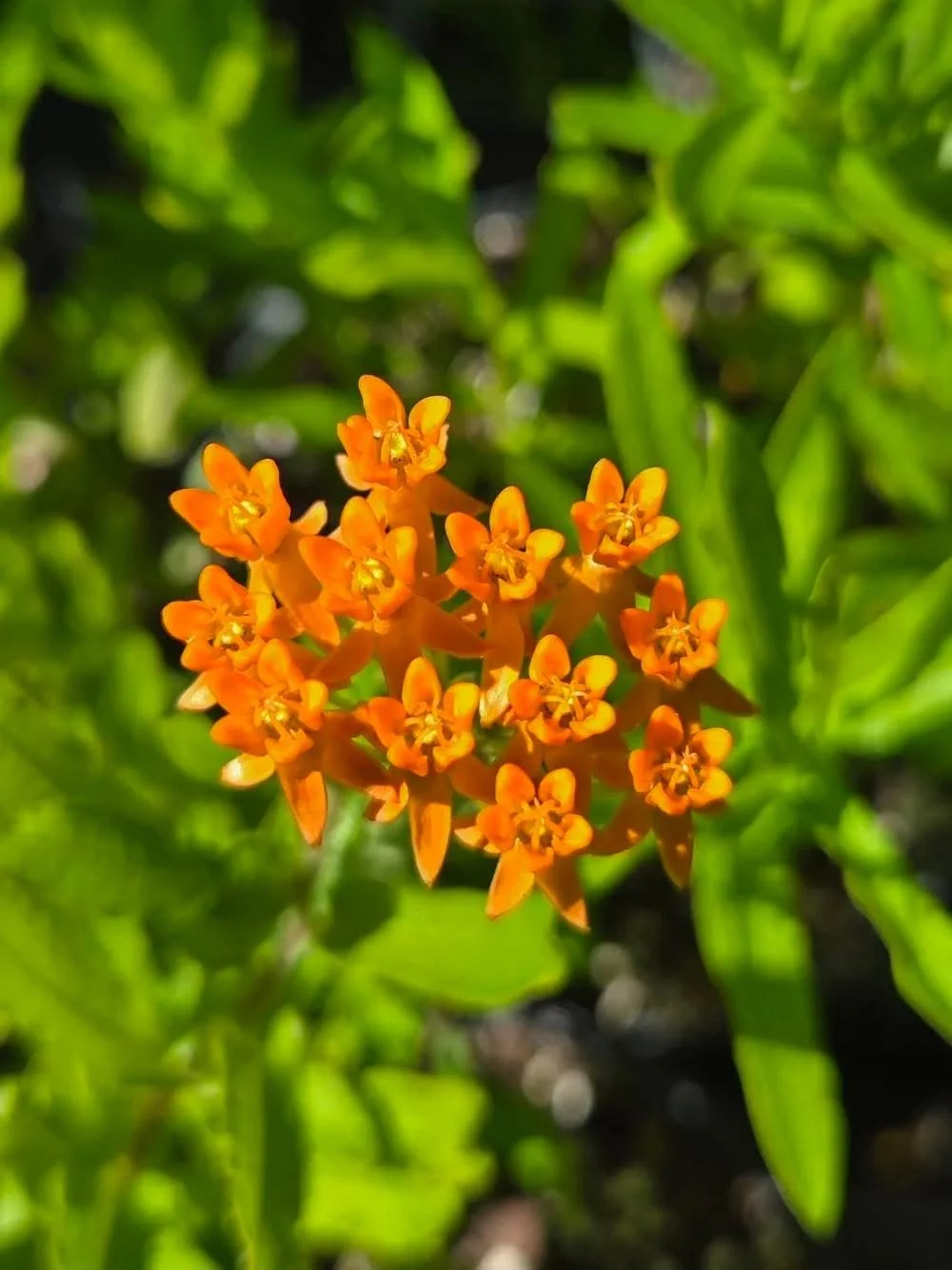
Butterfly Milkweed is a bright, orange-flowered perennial native to much of North America. It is one of the most attractive and garden-friendly milkweed species, prized for supporting pollinators and serving as a host plant for monarch butterflies.
Key facts:
Scientific name: Asclepias tuberosa
Family: Apocynaceae
Height: Usually 1–3 feet (30–90 cm)
Bloom time: Late spring through summer
Flower color: Bright orange, sometimes yellow or red-orange
Habitat: Prairies, meadows, roadsides, and open fields
Growing conditions: Full sun and well-drained soil; highly drought tolerant once established
Ecological importance:
A host plant for Monarch Butterfly caterpillars.
Provides nectar for butterflies, bees, hummingbirds, and other pollinators.
Helps support native insect populations and biodiversity.
Distinctive features:
Produces clusters of vivid orange flowers.
Has narrow, lance-shaped leaves.
Unlike many other milkweeds, it contains little milky sap when stems are broken.
Garden value:
Excellent for pollinator gardens, native plant landscapes, and prairie restorations.
Low-maintenance and resistant to drought and poor soils.
Long-lived once established but may take a few years to develop a deep root system.
Summary:
Butterfly milkweed is a colorful native wildflower that combines ornamental beauty with significant ecological benefits. Its bright blooms attract many pollinators, while its leaves provide essential food for monarch butterfly caterpillars, making it one of the most valuable native plants for wildlife gardens.
Planting What Belongs
Learn more about our story, our nursery, and why we are passionate about planting what belongs.
Follow Our Growing Journey
Questions? Let's Chat
Send us your inquiry and we'll point you in the right direction, fast.